

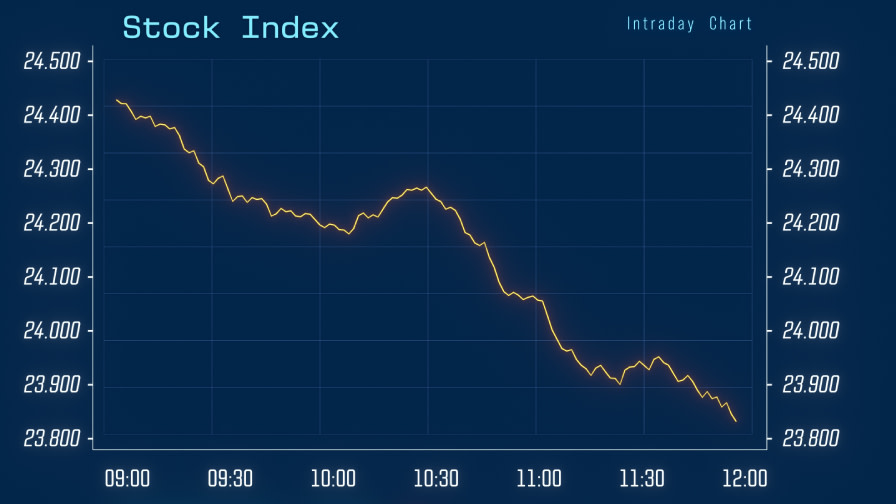
A recent study covering 170 years of financial journalism reveals that we are 97% likely in an AI financial bubble, and leaders should prepare for a crash.
I agree - it seems that centralized inference is more costly than localized one, which is pretty surprising - if you do not take into account the massive overbuild. I know from an acquaintance that they have replaced Claude usage around 80% by getting some inference hardware and doing things locally with GLM 5.3.
We could really do this on a smaller scale and it would be great thing, But Big Tech was very hungry after a long drought (the metaverse was one of the things they tried to get out of this rut), and therefor pushed this thing as hard as it could.
Actually centralized inference is far more efficient. It is the training that takes up most of the compute power. Imagine this, if you can run those model on your own, a data center can do the same with batching and use the time that your GPU would otherwise spent idling, processing more request.
So the economic of scale is still in full effect, it’s just that the measure used is wrong. It shouldn’t use token but power drawn to compute. That way a model with a smaller footprint would be MUCH MUCH MUCH cheaper.
The issue is the companies making the closed models need to make profit from the very compute intensive training hence they won’t ever make the pricing as a unit of power consumed.
We’re doing the same; GLM 5.3, the newer Qwen models etc are replacing Claude already for most of our cases.